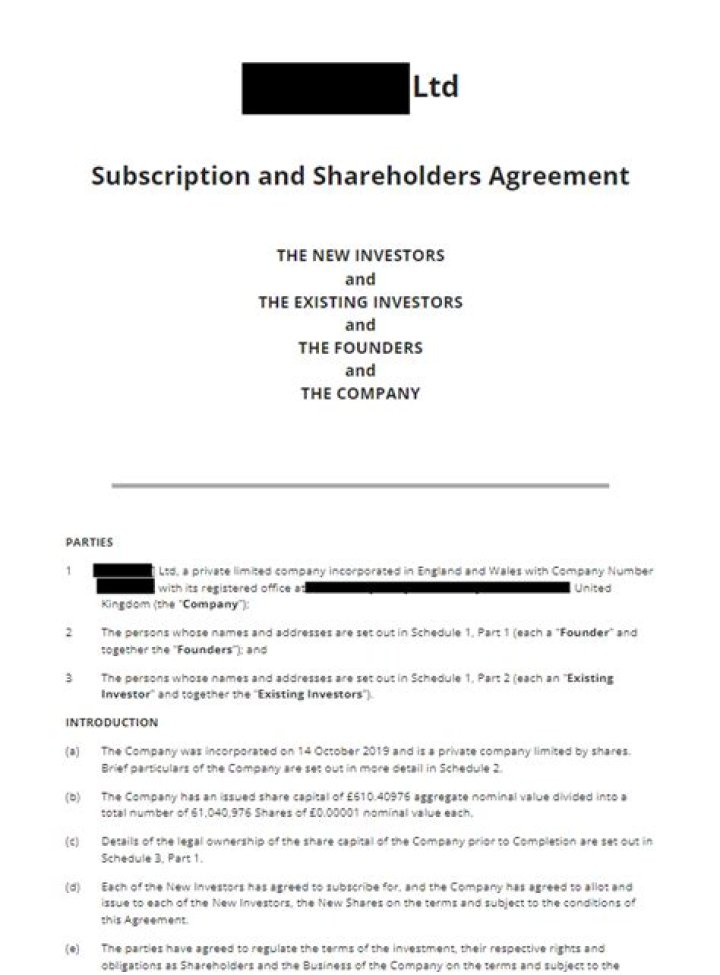
You have to deal with Schedule K-1 tax forms, which is an inconvenience so big that Vanguard calls it out in its “User’s guide to master limited partnerships”: “The direct method of investing in MLPs — buying partnership units — involves the receipt of Schedule K-1 tax forms, which some may find too complicated. …
Are there any MLPs that issue K-1’s?
First, I should probably point out that not all MLPs even issue K-1s, Capital Product Partners (NASDAQ: CPLP) for instance instead issues a normal 1099, just like all the other C-corps out there. I think they get away with this because they are a special category of MLP called a Marshall Islands MLP, but it doesn’t really matter why.
How many shares of MLP to avoid UBTI?
So, it usually takes a fair number of shares to trip the $1,000 UBTI limit. More shares than many individual investors tend to own in a single account. I tend to try to keep my total ownership in MLPs in any one account under $50k to help avoid UBTI.
How much tax do you pay on a MLP?
However, about 10% to 20% is taxable income. This, and other MLP tax complications, ultimately falls to you. You have to deal with Schedule K-1 tax forms, which is an inconvenience so big that Vanguard calls it out in its “User’s guide to master limited partnerships”:
Are there any changes to the MLP model?
But a subsequent series of events would further strain the MLP model. In 2017, President Trump signed a tax reform bill that dropped the corporate income tax rate from 35% to 21%. This is great for corporations, but it significantly reduced the key tax advantage an MLP held over a corporation.
Which is better an MLP or a corporation?
If you hold an MLP, perhaps the best thing that can happen is a conversion to a corporation. Even though MLPs do still have some tax advantages over corporations, at this point the market is punishing the MLP structure.