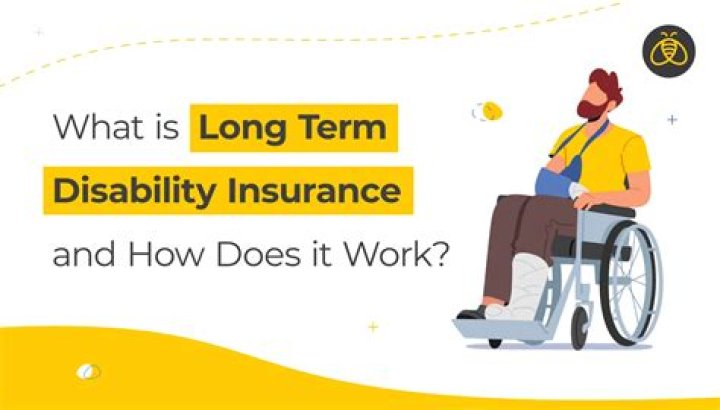
Answer: Yes, you can use money from your HSA tax-free to pay your long-term-care insurance premiums, with the maximum annual tax-free amount based on your age. To qualify, the long-term-care policy must cover only long-term-care services.
How far back can you use HSA funds?
There’s no deadline for HSA reimbursements There are lots of reasons to love your HSA, and here’s one more — you can reimburse yourself for expenses years after they occurred. According to the IRS, there is no time limit for paying yourself back, but there are some rules (we’ll explain more below).
Can HSA money be used for nursing home?
Once you enroll in Medicare, you may no longer contribute to your HSA. In order to receive tax-free status for withdrawals, money taken from an HSA can only be used for qualified medical expenses. Qualified medical expenses also include amounts paid for qualified long-term care services.
Can an HSA be used for nursing home?
HSA assets can be used for qualified long-term care insurance premiums and qualified long-term care services.
Can you use your HSA to reimburse myself?
Yes, as long as the IRS-qualified medical expenses were incurred after your HSA was established, you can pay them or reimburse yourself with HSA funds at any time.
What do you need to know about opening an HSA?
To be eligible to open an HSA, you must be covered under an HSA-qualified high-deductible health plan (HDHP) on the first day of that month. An HSA-eligible high-deductible health plan must: Cover certain preventive services (like routine well visits, regular dental cleanings, and prenatal care).
What makes a person eligible for an HSA?
These include: 1 Another health plan that isn’t HSA-qualified, including a spouse’s health plan or a supplemental health plan. 2 Being enrolled in Medicare, Medicaid, or Tricare. 3 Being covered by a Flexible Spending Account (FSA), either yours or your spouse’s.
Can a HSA-qualified health plan remove an annual physical?
HSA-qualified health plans are allowed to remove certain preventive care services (like annual physicals and immunizations) from counting towards their annual deductible, and many plans offer this benefit. ? Are you eligible for an HSA? Take this quick survey to find out now. Are you currently enrolled in an HSA-qualified health plan?
What is the minimum deductible for an HSA plan?
An HSA-eligible consumer-driven health plan must: Meet the IRS’ minimum annual deductible (for 2019, this is $1,350 for self-only coverage and $2,700 for family coverage). This means that you’re responsible to pay for all medical expenses until you reach your deductible; your insurance cannot cover any of these costs.